Tanemaji, Temple 34, Shikoku
Calm and serene
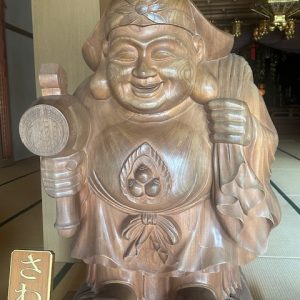
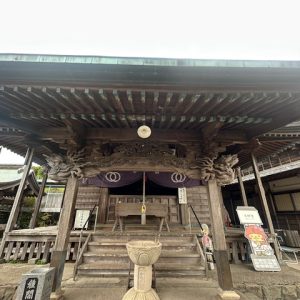
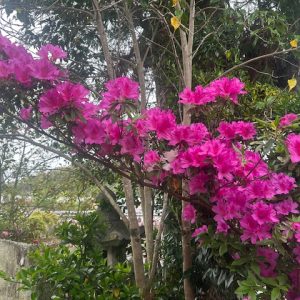
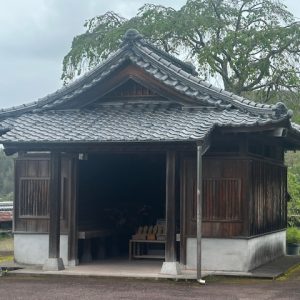
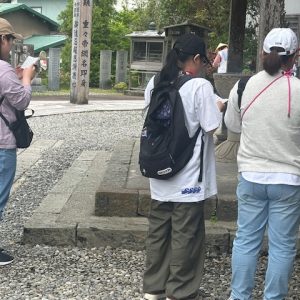

This temple is not spectacular, but it is serene, being surrounded by race paddies, forested hills and some agricultural, industrial buildings.
The coast of Tosa Bay seems to be the centre of the Shikoku sacred sites. Tanemaji is one of them, and there is an interesting legend connected with a voyage on Tosa Bay.
In 577 an imperial letter was sent by a prince of Baekje (Korea) to Japanese Emperor Bidatsu along with many sutras, stating that he was going to send Buddhist priests and temple builders. They came to Japan during the reign of Emperor Yomei (585-587) and built Shitennoji in Osaka.
On their way home, they were threatened by a powerful storm off the coast of Tosa (Kochi) and stopped at the port of Akiyama, close to Mt. Motoozan, where Tanemaji now stands. They carved a seated statue of Yakushi Nyorai (Medicine Buddha) measuring approximately 145 cm and enshrined it on the summit of Mt. Mottozan. This is believed to be the origin of the temple.
Two hundred years later, during the Konin era (814-824), Kobo Daishi returned from Tang Dynasty China and visited this area. He founded the temple, enshrined this Yakushi Nyorai statue as the principal image, and built various halls. It is said that he named the temple Tanemaji after the five kinds of grains (rice, wheat, millet, etc.) which he had brought back from Tang China and sowed on the temple grounds.
In the Tenryaku era (947-957), the temple received an imperial inscription entitled Tanema from Emperor Murakami (reigned 946-967). Lord Yamauchi of Tosa donated a large area of fields and forests to the temple, and the temple buildings were renovated. The temple escaped the government movement to abolish Buddhism in the early Meiji period.