Tennōji Temple 79, Shikoku
Gyoki visited this area
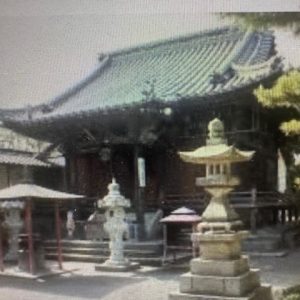
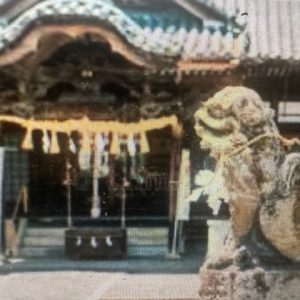
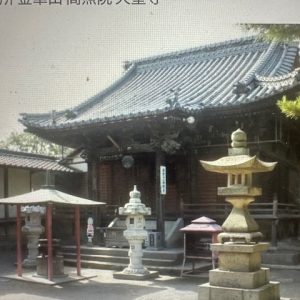
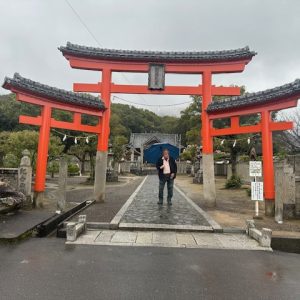
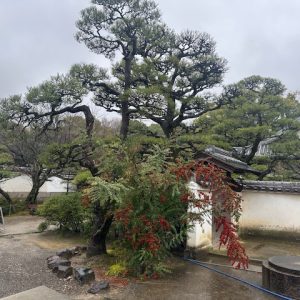
During the Tempyo period (729-749), Gyoki visited this area on a pilgrimage to Shikoku. There is a mountain that produces a lot of ore here. Gyoki named this mountain Kanayama because he believed the deities Kanayama Bime and Kanayama Hiko lived here.
He built the Kanayama Manishuin Temple with a principal image of Yakushi Nyorai (Medicine Buddha) in the middle of the mountain, indicating that this area was a place of syncretism between Shintoism and Buddhism.
During the Kōnin era (810-824), Kukai/Kobo Daishi came here, moved the decayed Kanayama Manishuin to its present location, and changed the name to Kinkazan Myōjōjuzi Manishuin. What motivated Kukai was his encounter with Kanayama Gongen, the protector of the sacred mountain of Kanayama, and the divine water that gushes from the hillside of Kanayama.
Convinced that it was possible to revive all things, Kukai carved the Juichimen Kannon Bosatsu (Eleven-faced Bodhisattva Who Hears the Sounds of the World), the Amida Nyorai (Buddha of Limitless Light and Life), and the Aizenmyōō (Love-dyed Wisdom King), and enshrined them in the temple.
During the Hogen Rebellion (a civil war in Kyoto in 1156), the Emperor Sutoku came here and saw the statue of Amida Nyorai carved by Kobo Daishi. As a result, he decided to live here. After his death, the temple had a memorial service for for the emperor and a shrine dedicated to him was constructed on the temple grounds.
Emperor Gosaga made an imperial decree that memorial services for Emperor Sutoku should be performed here forever. This is why the temple is called the Temple of Memorial Services for Emperor Sutoku and the Temple of Emperor Sutoku. In the Meiji era (1868-1912), when temples were abolished due to the governmental movement to abolish Buddhism, the present Kinkazan Kōshoin Tennōji was established through the efforts of the head priests of branch temples and others.